
insulated glass prices
Understanding Snap-On Dial Indicators Precision Tools for Accurate Measurements In the world of precision measurement and quality control, snap-on dial indicators stand out as essential tools for machinists, engineers, and hobbyists alike. These instruments offer a unique combination of ease of use and accuracy, making them invaluable for anyone involved in manufacturing or engineering tasks. This article delves into the features, applications, and benefits of snap-on dial indicators, illustrating why they are a staple in precision measurement. What is a Snap-On Dial Indicator? A snap-on dial indicator is a mechanical instrument used to measure small distances or variations in height with high accuracy. It typically consists of a dial gauge attached to a measuring probe that moves in response to changes in the material or surface being measured. The dial displays readings in either imperial or metric units, allowing users to quickly interpret measurements without needing extensive calculations. The snap-on feature refers to the ease with which the indicator can be mounted or affixed to various surfaces or fixtures. This design allows for quick adjustments and repositioning, making it ideal for use in dynamic work environments where efficiency is key. Key Features 1. Precision Measurement Snap-on dial indicators are designed to provide measurements with high precision, often to the thousandths of an inch or hundredths of a millimeter. This level of accuracy is critical in fields where even the smallest deviation can impact the functionality of a product. 2. User-Friendly Interface The dial face is typically marked clearly, with large numerals that are easy to read. This user-friendly interface makes it accessible for both experienced technicians and novices. 3. Durability These indicators are often constructed from robust materials that can withstand the rigors of industrial environments. This durability ensures a long lifespan, providing excellent value for the investment. snap on dial indicator 4. Versatility Snap-on dial indicators can be used for a variety of applications, including alignment tasks, machining processes, and quality control inspections. This versatility makes them suitable for a range of industries, from automotive to manufacturing. Applications Snap-on dial indicators are used in numerous applications - Machining In machining operations, these indicators help ensure that components meet specified tolerances. By measuring runout, backlash, and other critical dimensions, machinists can make necessary adjustments to improve precision. - Engineering Engineers often rely on dial indicators for designing components that require high accuracy. Whether in prototyping or testing phases, these tools help validate measurements and ensure compliance with design specifications. - Quality Control In quality assurance processes, snap-on dial indicators are instrumental in evaluating products at various stages of production. By checking dimensions and detecting flaws early, companies can maintain high standards in their offerings. - Automotive In the automotive industry, these indicators assist in brake and suspension work, measuring the runout of rotors and drums, ensuring safety and performance in vehicles. Conclusion Snap-on dial indicators embody a blend of simplicity and precision, making them integral to many technical processes. Their adaptability, ease of use, and robustness enable professionals to achieve accurate measurements consistently, fostering quality and efficiency in various fields. As industries continue to demand higher precision and faster results, tools like snap-on dial indicators will remain essential for those striving to meet those challenges head-on. Whether you are a seasoned professional or a newcomer to the field, incorporating a snap-on dial indicator into your toolkit is a step toward achieving superior measurement accuracy and operational excellence.
about
insulated glass prices
Making a Welding Table A Comprehensive Guide Welding is an essential skill in many industries, from automotive repair to metal fabrication. A good welding table can significantly enhance your work quality and efficiency. In this article, we’ll walk you through the process of making your own welding table, covering materials, construction steps, and tips to ensure it meets your needs. Materials Needed When constructing your welding table, choosing the right materials is crucial. Here’s a list of items you’ll need 1. Tabletop A steel plate is ideal. A thickness of 1/4 inch or more is recommended to withstand the heat and weight of various projects. Commonly, a 4x4-foot or 4x8-foot plate is used, depending on your workspace. 2. Frame You can either use square or rectangular steel tubes for the legs and supports. Tubes with a thickness of at least 1/8 inch are recommended for stability. 3. Wheels (optional) If you want your table to be mobile, add heavy-duty casters with locks. 4. Welding gear Ensure you have appropriate personal protective equipment (PPE), such as a welding helmet, gloves, and a fire-retardant jacket . 5. Tools You will need a welding machine, an angle grinder, a drill, measuring tape, and a level. Step-by-Step Construction 1. Design Your Table Before cutting any material, sketch out your design. Consider the size and shape that will work best for your projects. A square or rectangular table is usually most versatile. Ensure your design includes dimensions that allow enough workspace and room for larger projects. making a welding table 2. Prepare the Top Plate Cut the steel plate to the desired dimensions if it isn't already. Make sure to wear protective gear while cutting to avoid injuries. 3. Build the Frame Cut the steel tubes for the frame. You will need two long pieces for the length and two shorter pieces for the width, along with additional vertical supports based on your design. 4. Assemble the Frame Using your welding machine, start by welding the corners of the frame together. Ensure that each joint is secure and that the frame remains level. A square frame will ensure that your tabletop doesn’t warp as you work. 5. Attach the Tabletop Once the frame is complete and cooled, place the steel plate on top. Secure it by welding along the edges or using bolts if you prefer a removable top. Ensure the plate is flush and even with the frame to avoid any wobbling during use. 6. Add Legs (if applicable) For a stable work surface, attach steel tubes as legs. If you’re using wheels, attach the casters to the bottom of the leg tubes. Make sure the legs are evenly positioned, as this will impact the stability of your table. 7. Finish the Table Grind down any sharp edges and clean the surface of the table to remove any weld spatter. This will help prevent injuries and improve your working environment. 8. Test Your Table Before using your new welding table for substantial projects, test its stability with some lighter tasks. Ensure everything is securely attached, and adjust as necessary. Additional Tips - Add Accessories Consider adding features like a vise, electrical outlets, or a magnetic tool holder to enhance your table's functionality. - Surface Protection To prolong the lifespan of your welding table, consider applying a protective coating or paint designed for high temperatures. - Storage Solutions Utilize below-table storage solutions for tools and supplies, helping maintain a clean and organized workspace. Conclusion Creating your own welding table can be a rewarding project that not only improves your welding setup but also adds a personal touch to your workspace. By carefully selecting materials, following construction steps, and incorporating additional features, you’ll have a sturdy, functional table tailored to your specific needs. Happy welding!
-

High quality industrial productsagement

High quality industrial products
View Details -

Meet the diverse needs of customers

Meet the diverse needs of customers
View Details -

Strict quality control

Strict quality control
View Details -

Top raw materials

Top raw materials
View Details -

Trusted supplier

Trusted supplier
View Details
Our application

news and information

Venda de válvulas de retenção
Válvulas de Retenção A Escolha Perfeita para Seu Sistema Hidráulico As válvulas de retenção, também
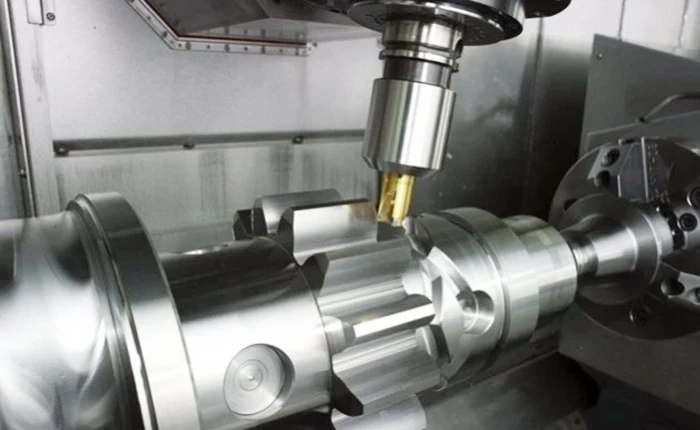
Valve Wholesale - High-Quality Valve Supply for All Industrial Needs
Understanding Valve Wholesale An Essential Component in Industrial Supply Chains In the realm of ind
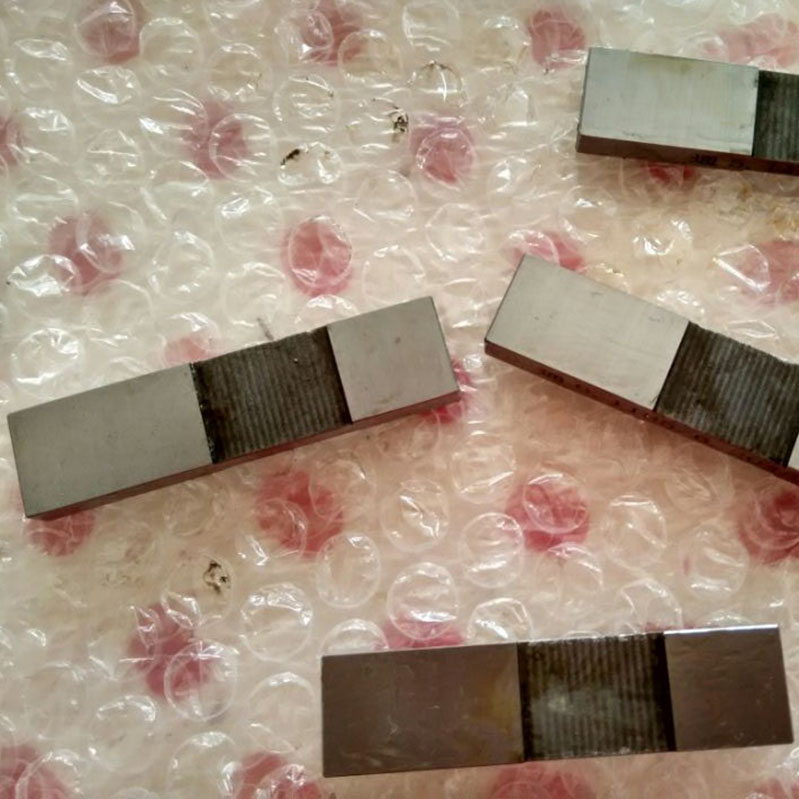
welding table cast iron
The Importance of Welding Tables in Cast Iron Fabrication Welding is an essential process in metalwo
 English